You are here: Techniques & Tips

Basic Position - VARIATIONS  

Basic Position - Side View

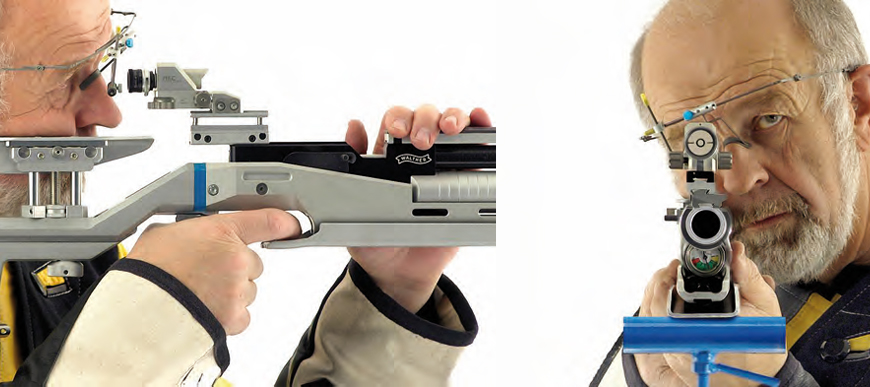
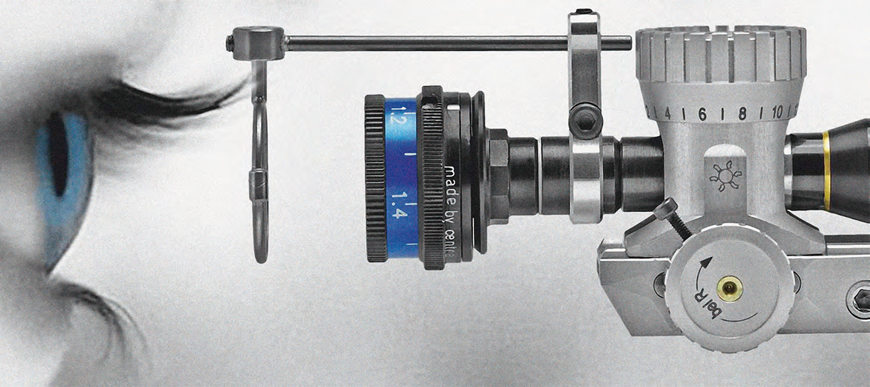
The head is placed with the cheek-bone against the butt. When the neck is relaxed the eye sees exactly through the rearsight aperture.
The right shoulder is relaxed and dropped. The buttplate sits with firm contact near to the joint of the upper arm.
The right hand grips tightly. The arm itself is relaxed, but the butt length means the elbow is held relatively high.
The upper body is leaned back and the shoulders are angled towards the target. The muscles are consciously relaxed by breathing with the stomach, causing the torso to slump into itself.
The hips are pushed towards the target. This causes them to tilt, but they stay in line with the target.
The right leg is spread out. It supports the position, although it only carries about 10 - 30% of the total weight.
The right knee is gently pulled back. Fine variations in the rotation of the right foot allow the tensions in the area of the kneecap to be organised .
The right foot decides height, orientation and tension relationships in the position. It’s important for corrections to balance, Zero Point and muscle tension. The foot is forever being finely adjusted in the course of a series, to equalise differences. As a starting point, a slight rotation to the outside is recommended.


The left shoulder is dropped. The arm rests with slight pressure against the rib cage. The elbow is the only real contact point.
The left wrist is upright and without active tension. The hand is often balled into a fist. Shooters with relatively long arms hold the stock in various alternative ways between the fingers or in the flat of the hand.
The left forearm is almost vertical. Muscle tensions in the whole arm and hand are minimal.
The left elbow is the key element for the distribution of tension and orientation of the upper body. It is necessary to find a secure point of contact with the crest of the hip, allowing the support arm to be absolutely relaxed. Balance and Zero Point can be regulated by tiny changes to the point of contact.
The pelvis is pushed towards the target, as a result the crest of the hip lifts and the left leg receives more loading. This forward thrust takes place against the resistance of muscles and tendons, it should however be just as far every time. As the rifle is mounted in the shoulder and turned towards the target, the hips must remain in line with the target.
The left leg stays approximately vertical, it carries the greatest part of the body and rifle weight. Fine rotations take care of locking the knee, should it happen to start trembling during a competition.
The supporting column consists of the left foot, the leg, the pelvis, the left forearm and the hand. When in position you should clearly notice the weight of the rifle travelling directly through this line and down into the ground.
The left foot is also responsible for balance, stability and orientation of the position. The fine nervous connections at the soles of the feet provide instant information about how the weight is distributed. This information is essential for the control of your body sway. As a starting point it is recommended to place the foot at right-angles to the line of fire.


The above side view pulls together the most important basic rules of the standing position.
If building your position again from scratch, you can confidently follow these guidelines.
Whenever you get into difficulties, you should check over these points one after another. The most serious problems are usually caused by breaches of the most basic principles.
The statements here are substantially clarified and deepened in the following pages. The overall picture unifies the details and thus shows how it all fits together.


Torsten Krebs's standing position is actually untypicial of German positions. The very low seating of the rifle, which brings the overall centre of gravity nearer to the ground and thereby brings a certain amount of extra stability, is characteristic. The cost of this 'bedding down' is the extremely dropped head position, which also has to be tilted towards the stock.
A formation which looks neck-breaking to the inexperienced, and which at first causes considerable disruption to the balance. The buttplate goes a bit further out onto the upper arm, the fore-end can be supported using the flat of the left hand. Many of the French shoot this way. This position also has its followers in Switzerland and among some shooters from the former Yugoslavia.
We have taken Torsten as our model, because in 1995 he was overwhelmingly the best air rifle shooter in the world and he is also at the very summit of three positions shooting.


Text & Photographs: Heinz Reinkemeier, Dipl. Psych.,Ex-Rifle National Co-Coach und Area Coach in Westfalen. Author of many technical literatur, newspaper articles and videos. Leader of coach courses since 1984.


More tips and informations around the >Rifle Shooting Technique< you will find in the book >Ways of the rifle<. Now available.


Ways of the rifle

Contact us Impressum